Beginwell shows you where your effort isn't producing results — before it costs you more.
Not with pressure. Not with fixes. But with clarity about what's actually happening.
Takes 5 minutes. No account needed.
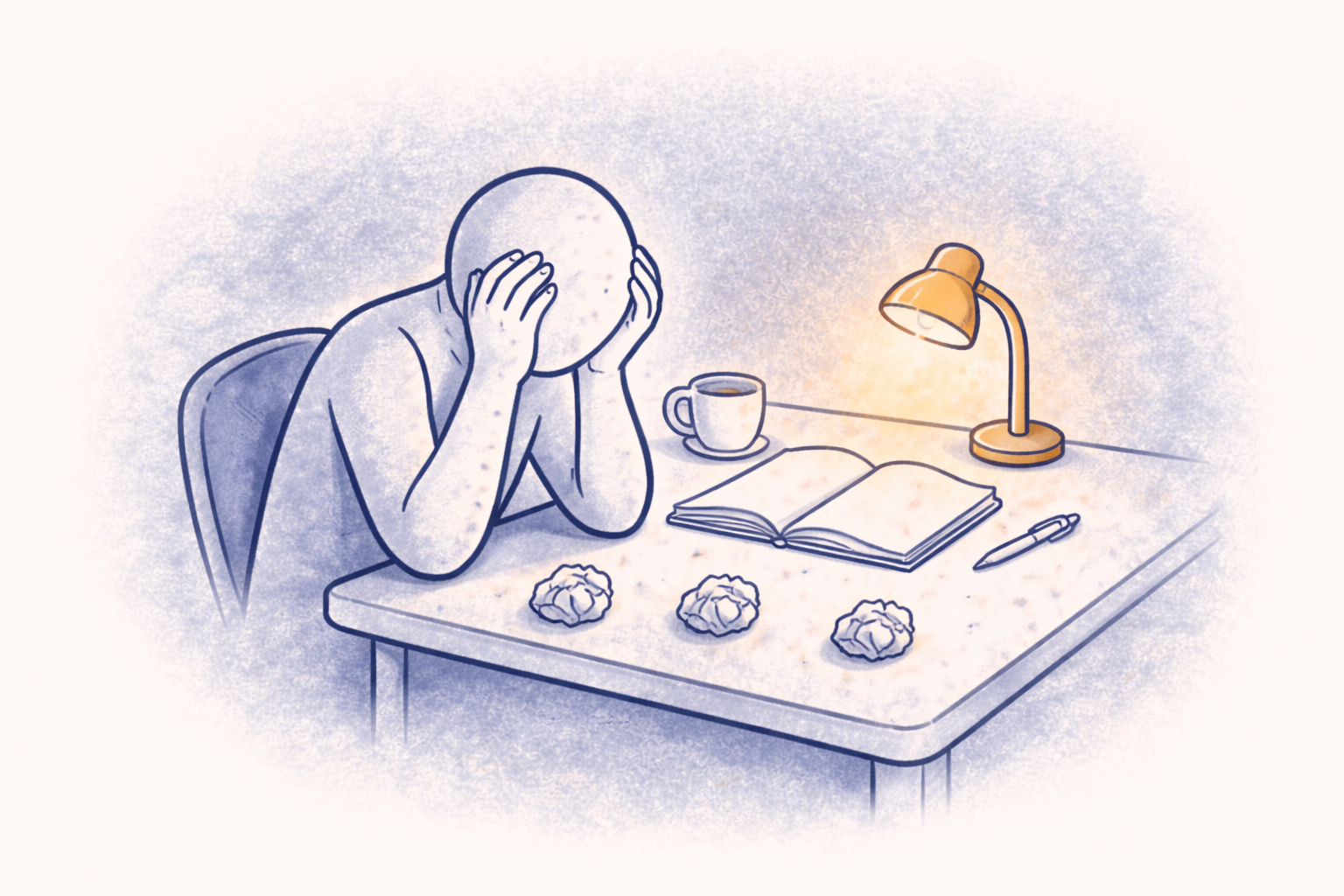
You take longer than you want to. You begin small things, then take longer to recover. Some days you move easily — then that access disappears again.
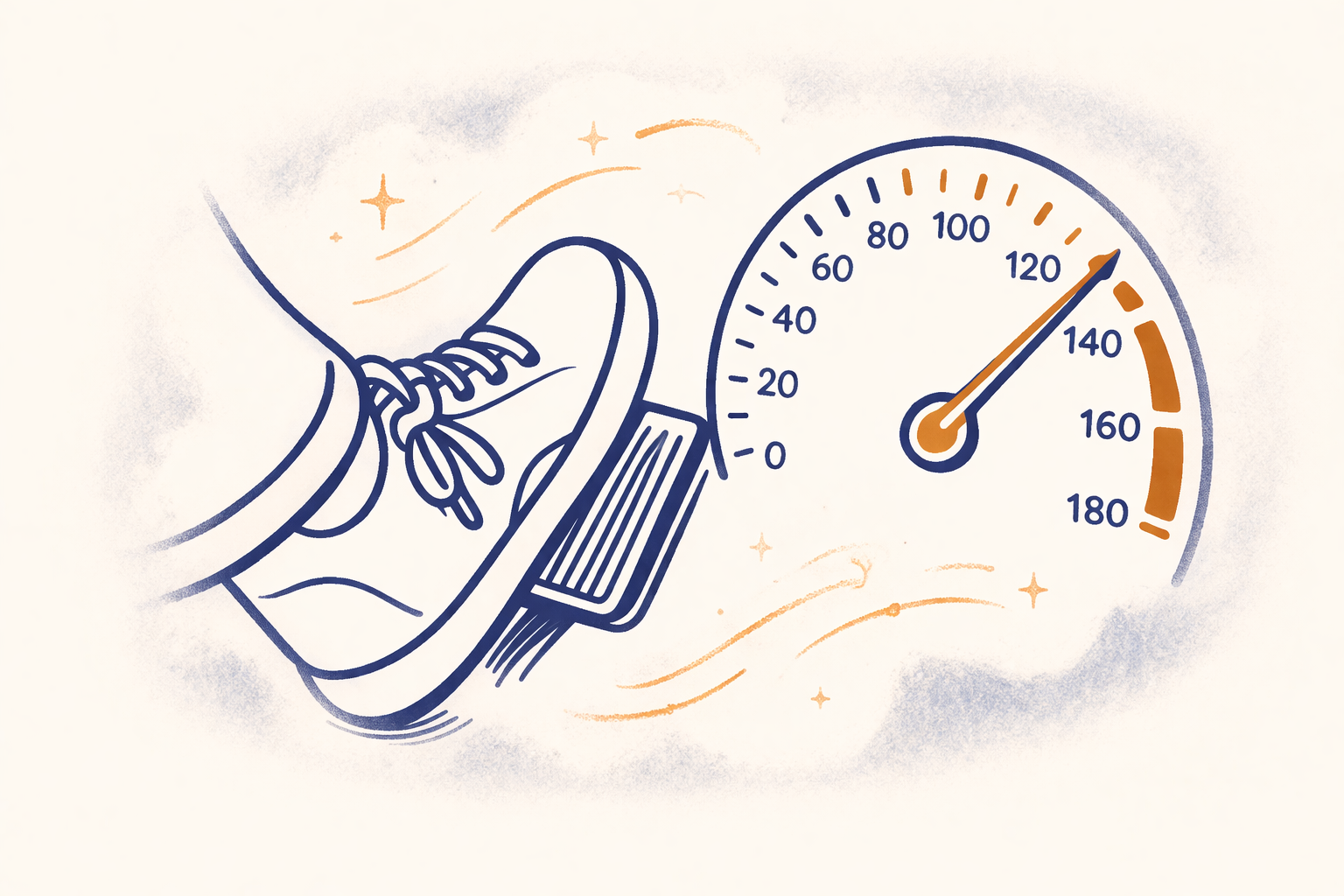
From the outside, it looks like inconsistency. From the inside it feels like effort without traction. So you rev harder. You try again. And slowly, you begin to compensate — safer goals, avoiding what used to matter, stopping trusting momentum because you've learned it doesn't last.
This isn't a character flaw. It's friction. And left unaddressed, friction doesn't stay neutral.
You'll be asked 14 simple statements about everyday experience. No trick questions. No right answers. What matters is what shows up on ordinary days — not your best or worst moments.
Pause for a moment before you read anything else.
What you're about to see isn't a verdict. But it is a signal.
These results show where effort is failing to convert into traction — where energy is being spent without the return you expect. The patterns below don't describe your personality. They describe pressure points — places where your system is being asked for more than it can reliably give under current conditions.
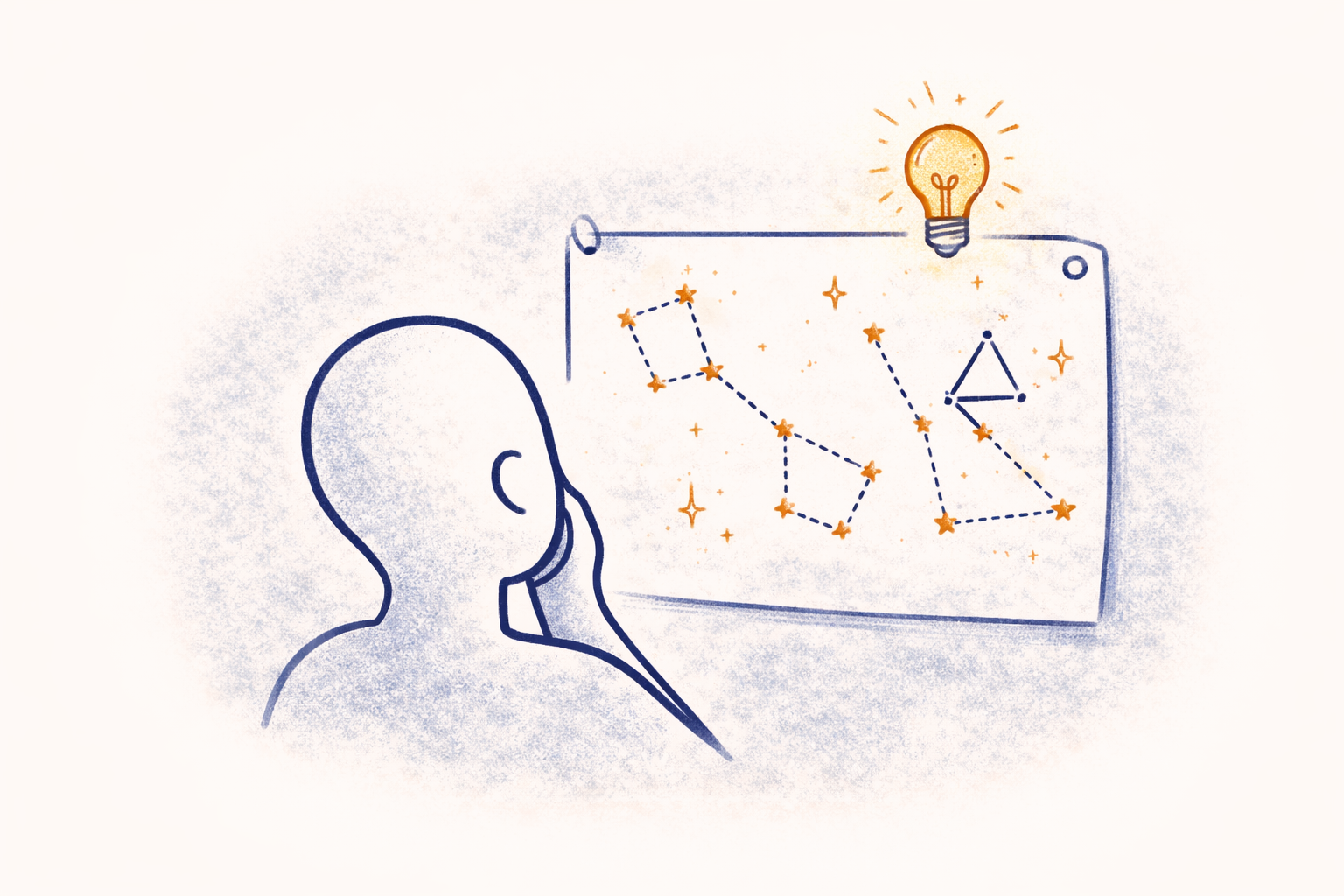
As you read, don't ask whether a pattern sounds reasonable. Notice whether it recognises you.
What they're showing you isn't just how things work —
it's how you've been compensating.
Starting later. Relying on urgency. Choosing what's easiest to finish instead of what actually matters. Those adjustments aren't failures. They're how your system has been coping.
The problem is that coping keeps the pattern intact. Knowing this doesn't change the conditions that recreate it. And under the same conditions, the same things will keep happening — even with insight.
No preparation needed. No right words required.
Recognising patterns without judgement. Simply understanding what's actually happening can reduce a surprising amount of pressure.
Stopping the fight with your own wiring. Progress starts when permission replaces resistance.
Shaping conditions so your system can function. Small changes to environment, cues, timing, or structure can unlock disproportionate ease.
Making movement survivable. Progress comes from steps small enough to actually happen — not steps that look impressive on paper.
Stabilising what works. Support focuses on making helpful patterns repeatable so progress lasts — and stops resetting when life gets loud.
Beginwell doesn't start by asking you to try harder. It starts by working out why effort hasn't been paying off — even when you care, even when you're capable, even when you've tried.
If effort isn't producing results, something in the system isn't working. So Beginwell works at the level of conditions, not character.
Most approaches skip that step. They assume the problem is motivation, discipline, or follow-through. Beginwell doesn't.
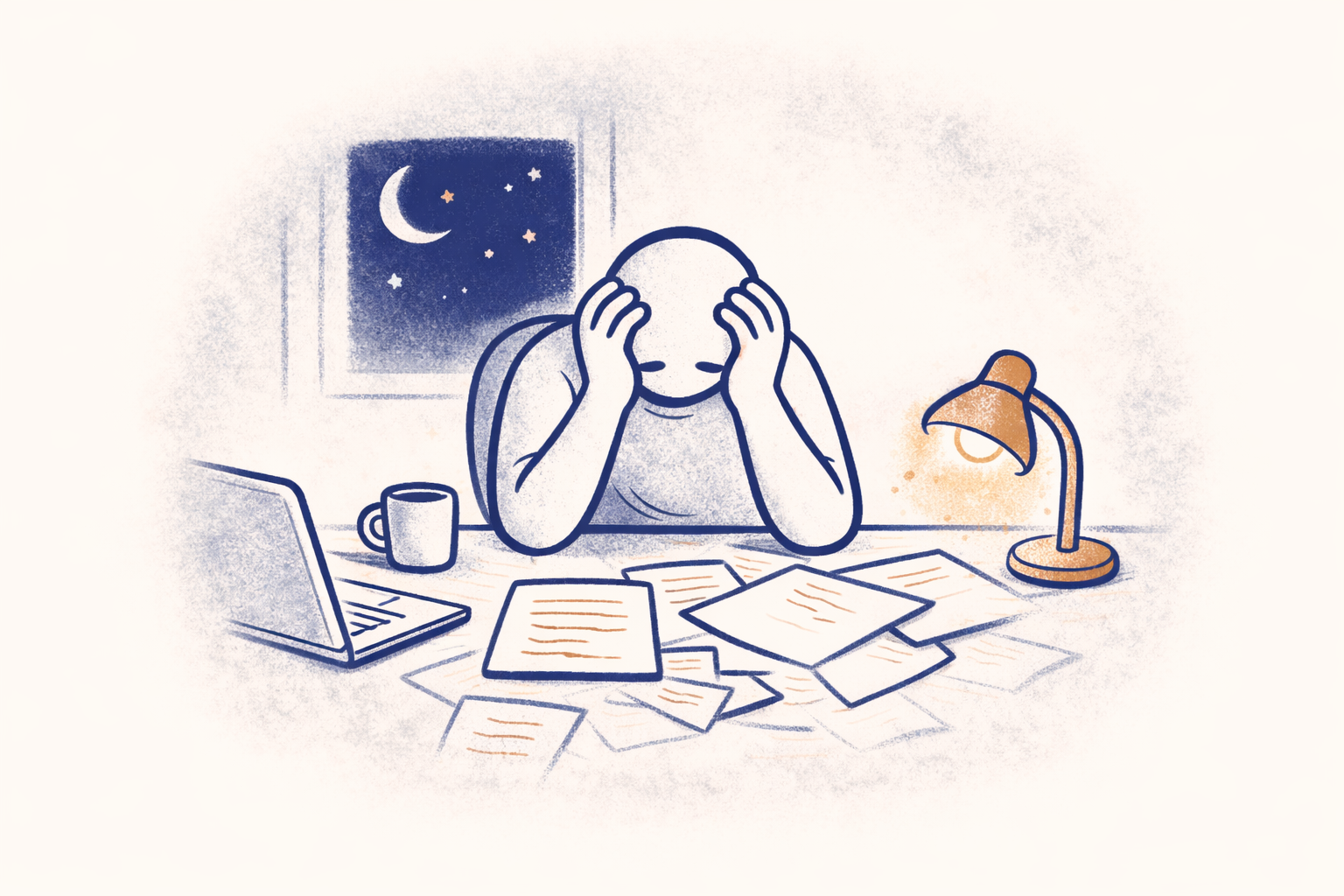
At some point, trying to make sense of this on your own becomes part of the problem. You think about it. You revisit it. You tell yourself you'll deal with it properly when things calm down.
But nothing actually changes.
Right now this is already taking up space in your day. You're carrying too much in your head — deciding what to drop just to keep going, spending energy figuring out how to work instead of doing the work.
Thinking harder isn't the move here. Changing the conditions is.
I created Beginwell for people like me — people whose effort hasn't translated into traction, not because they lack motivation or ability, but because the systems around them don't fit how their mind and nervous system actually work. When the fit is wrong, starting costs too much, focus becomes unreliable, and progress appears and disappears — slowly turning strength into strain.
Over time, this mismatch creates a quiet spiral: more effort, less return, and growing self-doubt. Beginwell is a starting place for redesign — helping people understand what kind of system allows a brain like theirs to flourish, and how far they are, right now, from that fit.
My mind is complex and creative. I bring formal training in counselling, psychology, neuroscience, and trauma-informed practice — and I see people as whole systems, where thinking, nervous system, story, culture, and context interact. Not as problems to be fixed.
My approach blends evidence-based frameworks with deep attunement to language and lived experience. Clients often feel unusually seen — I tend to notice subtle patterns in how people describe their experience that reveal what's actually getting in the way. My work is grounded, non-diagnostic, and precise without being clinical.
Doing nothing doesn't pause the pattern.
It just lets it repeat.
A single session to name what's actually happening — before deciding anything else. No commitment beyond the conversation itself.
"I'd spent years trying to fix the wrong thing. This was the first time someone identified where the actual problem was — and it was nothing like what I'd assumed."
Get clear on what's breaking down — without trying to fix it yet.
See where your effort isn't producing results and what not to push against right now. Nothing to fix. Nothing to force. Just a grounded orientation so you're no longer guessing.
Slow things down with someone who understands these patterns.
A space to slow down and see what's actually happening — before more things start slipping. No pressure to fix anything. No expectation you arrive with a plan. We work at the pace your nervous system allows.
Ongoing support to hold what's working when things get noisy.
If progress keeps falling apart when energy drops or life gets loud, insight alone isn't enough. This stabilises what already works — so momentum doesn't keep resetting under pressure.
No noise. Just a conversation when the time is right.
Book a conversationPick a time that works — no preparation needed.
No obligation. No pressure. No performance required.